In today’s fast-paced world, the concepts of mental and physical health are often discussed as separate entities. However, an increasing body of research and expert opinion underscores a profound interconnection between the two. Understanding how mental health impacts physical health — and vice versa — is crucial for achieving overall well-being. This blog post delves into this symbiotic relationship, offering insights and practical tips to help you maintain both aspects of your health more effectively.

The Interrelationship of Mental and Physical Health
Mental Health’s Impact on Physical Health
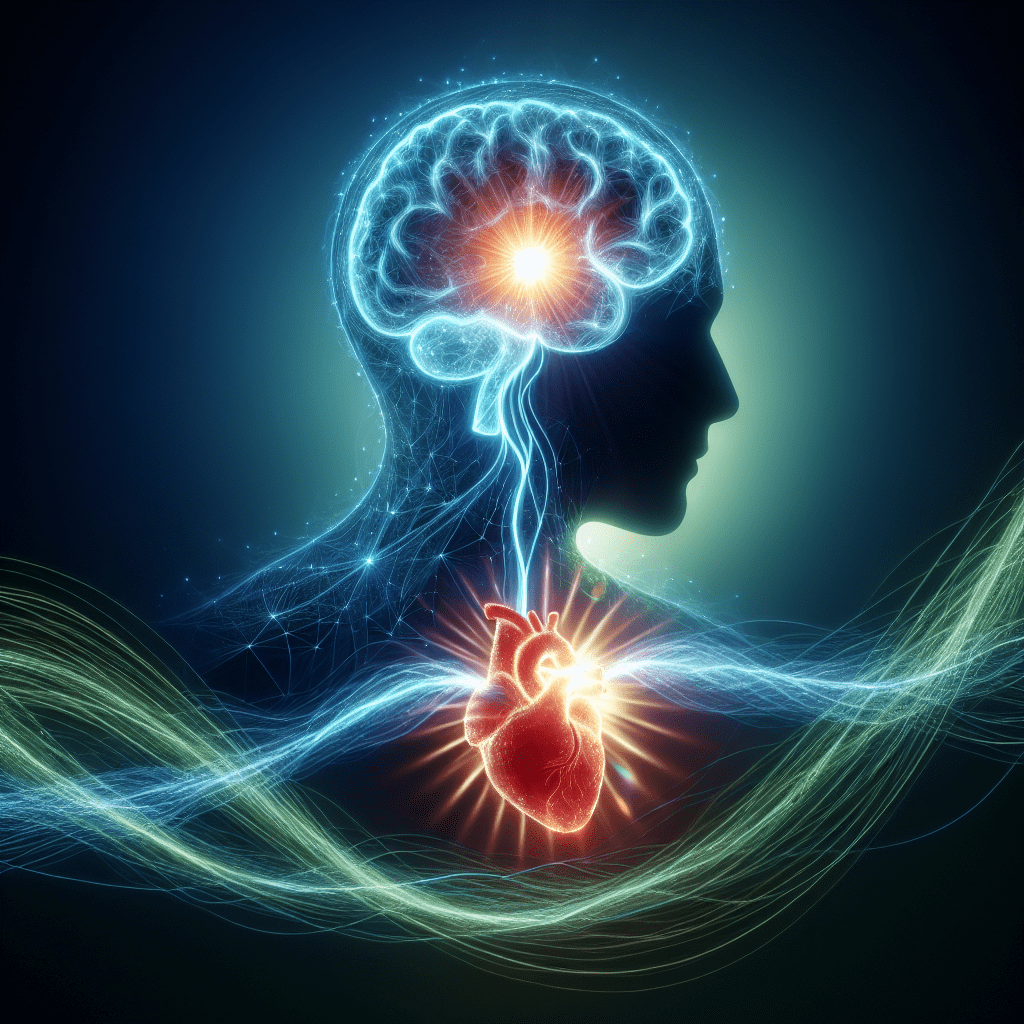
Mental health encompasses our emotional, psychological, and social well-being. It affects how we think, feel, and act, making it a critical component of our overall health. Studies indicate that poor mental health can lead to various physical health issues. For instance, conditions like depression and anxiety are linked to chronic diseases such as heart disease, diabetes, and respiratory conditions. This connection is not merely coincidental; mental health conditions often lead to lifestyle behaviors that exacerbate physical health problems.
For example, individuals with mental health challenges might adopt unhealthy habits such as smoking, excessive alcohol consumption, or a sedentary lifestyle, all of which can compound physical health issues. Moreover, mental health problems can result in neglect of self-care routines, making individuals less likely to seek medical attention or adhere to treatment plans.
Physical Health’s Impact on Mental Health
Conversely, physical health conditions can significantly influence mental well-being. Chronic illnesses like cancer, arthritis, or psoriasis can lead to psychological distress, including anxiety, stress, and depression. The physical symptoms and limitations imposed by these conditions often alter one’s lifestyle, leading to social isolation, reduced physical activity, and a decline in mental health.
The link between physical and mental health is evident in the way physical ailments can amplify feelings of helplessness or anxiety. For instance, people experiencing chronic pain may also struggle with depression, creating a cycle that can be challenging to break without comprehensive treatment focusing on both physical and mental aspects.
The Science Behind the Connection
Research highlights several pathways through which mental and physical health interact. For instance, the stress response triggered by mental health issues can lead to hormonal imbalances and inflammation, which are precursors to many chronic diseases. Furthermore, the body’s immune system can be compromised by poor mental health, making it harder to fend off infections and diseases.
A study published in “Social Science & Medicine” explores how lifestyle choices mediate the relationship between mental and physical health. It finds that physical activity plays a pivotal role, with exercise being a significant contributor to improved mental and physical health outcomes. Regular physical activity not only enhances cardiovascular health but also reduces symptoms of depression and anxiety.

Practical Tips for Maintaining Mental and Physical Health
Understanding the interplay between mental and physical health is only part of the journey. Implementing strategies to maintain both is where the real work begins. Here are some practical tips:
- Exercise Regularly: Physical activity is a powerful tool for boosting mental health. It releases feel-good chemicals like endorphins, which enhance mood and reduce stress. Aim for at least 150 minutes of moderate-intensity exercise each week, whether it’s brisk walking, cycling, or yoga.
- Balanced Diet: Nutrition plays a crucial role in both mental and physical health. A diet rich in fruits, vegetables, lean proteins, and whole grains can improve your mood and energy levels while supporting physical health. Conversely, diets high in processed foods and sugars can negatively impact mental health.
- Sleep Well: Quality sleep is vital for mental and physical health. Adults should aim for 7–9 hours of sleep per night. Developing a regular sleep schedule and creating a restful environment can help improve sleep quality.
- Stress Management: Techniques such as meditation, deep breathing exercises, and mindfulness can significantly reduce stress levels. Incorporating these practices into your daily routine can improve both mental resilience and physical health.
- Regular Health Check-Ups: Routine medical examinations can help detect potential health issues early. People with mental health conditions should ensure they receive regular check-ups to monitor their physical health, as they might be at greater risk for certain diseases.
- Build a Support System: Maintaining strong relationships and seeking social support can positively influence mental health. Engaging with friends, family, or support groups can provide emotional comfort and reduce feelings of loneliness.
- Seek Professional Help: If you’re struggling with mental health issues, professional counseling or therapy can provide valuable support and guidance. Similarly, consulting with healthcare providers about physical health concerns is imperative.
Embracing a Holistic Health Perspective
Recognizing the bidirectional relationship between mental and physical health encourages a more holistic approach to well-being. By addressing both aspects, individuals can improve their quality of life and potentially reduce the risk of numerous health problems. It’s important to remember that taking care of your mind is as vital as taking care of your body, and the two are inextricably linked.
In conclusion, the interconnectedness of mental and physical health is undeniable, and acknowledging this relationship is the first step toward fostering a healthier, more balanced life. By integrating physical activity, nutritious eating, stress management, and regular medical care into your lifestyle, you can support both your mental and physical health effectively. Whether you’re managing a chronic condition or simply aiming to enhance your overall well-being, these strategies can guide you toward a healthier future.
Be sure to subscribe to my articles here on Medium, so you can find more amazing ways to have a healthier lifestyle.
Thank you for visiting my Blog.
Sources
APA PsycNet: “The relationship between physical and mental health: A mediation analysis.”
BMC Public Health: “Smoking and mental illness: results from population surveys in Australia and the United States.”
CDC: “Mental Health and Chronic Diseases.”
Cleveland Clinic: “Chronic Illness and Depression.”
Harvard Health Publishing: “Nutritional psychiatry: Your brain on food.”, “Schizophrenia and Heart Disease.”, “Sleep and mental health.”
Help Guide: “The Mental Benefits of Exercise.”
The Journal of Clinical and Aesthetic Dermatology: “Psoriasis and Associated Psychiatric Disorders.”
National Alliance on Mental Illness: “Taking Care of Your Yourself.”
National Behavioral Health Network: “Mental Health Impacts of Cancer Diagnosis.”
National Institute of Mental Health: “People with depression are at higher risk for other medical conditions.”
National Psoriasis Foundation: “What is Psoriasis.”
The New England Journal of Medicine: “Nicotine Addiction.”
Psychological Bulletin: “The heart’s content: the association between positive psychological well-being and cardiovascular health.”